At the end of this segment is a guide of suggestions,on how to approach playing these scores!
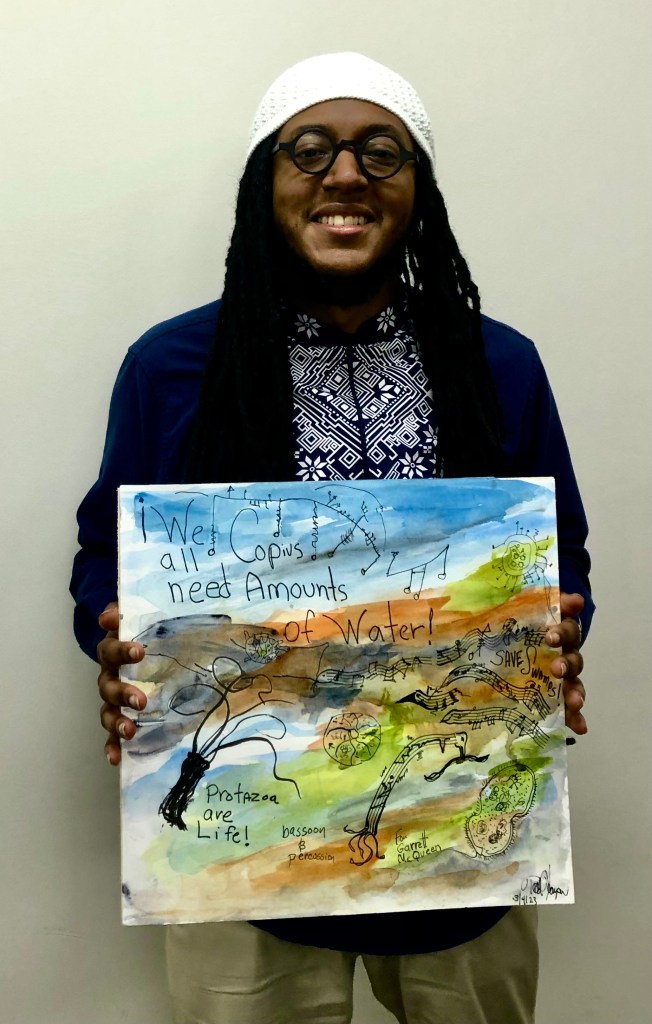
We All Need Copious Amounts of water ! for Loki Karuna. bassoon & percussion ( mostly wood, with one piece of metal)
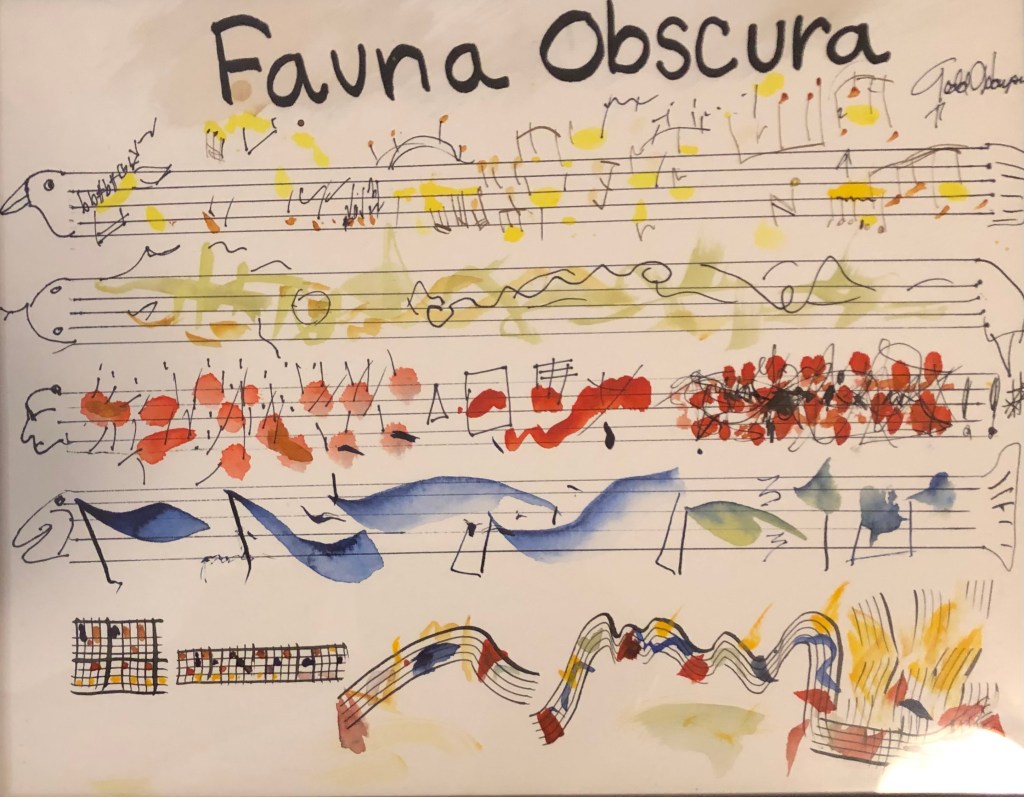
Fauna Obscura… for 4-5 instruments… possible oration. Mine is based on the difficulty of identifying wildlife in the field !
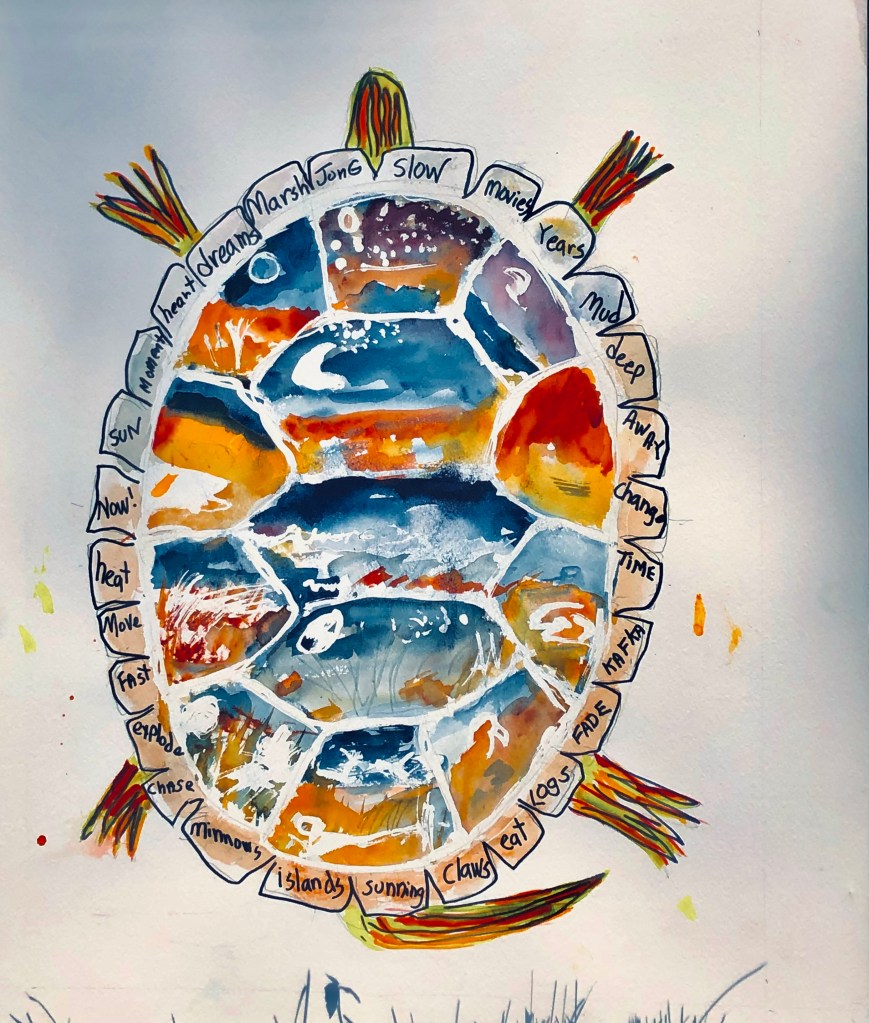
another turtle. start from the head; move counter clockwise. use words aloud or as input.
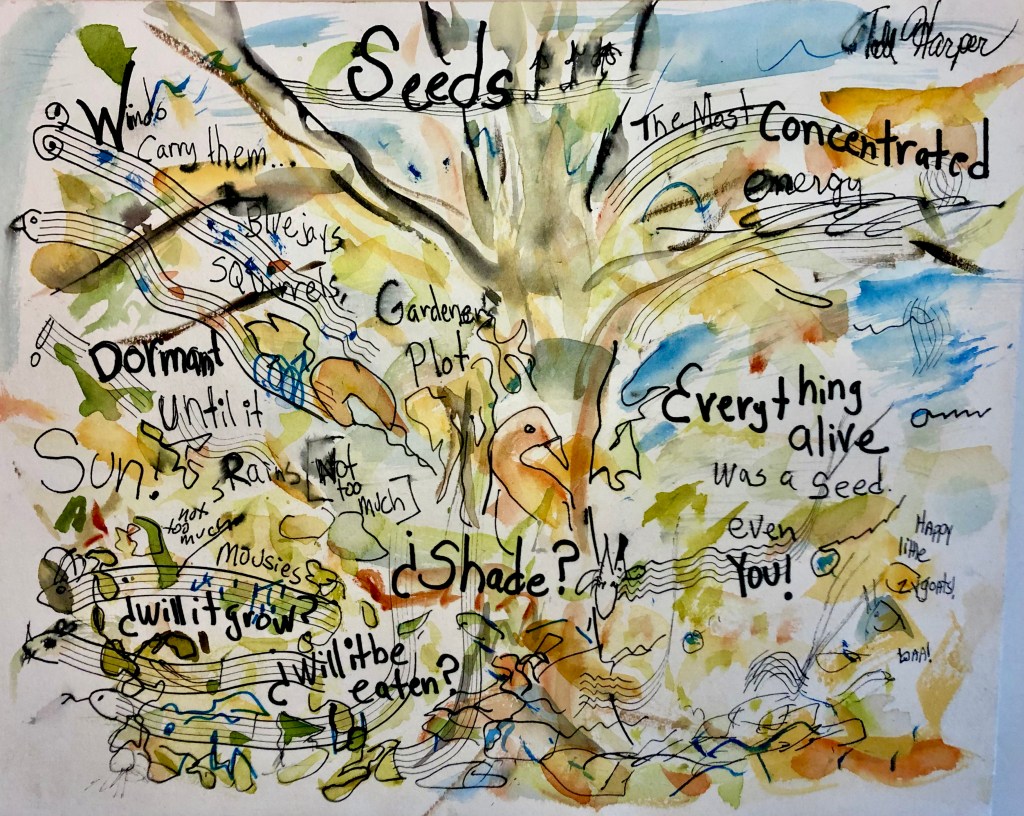
Seeds: for any instrumentation. possible oration.
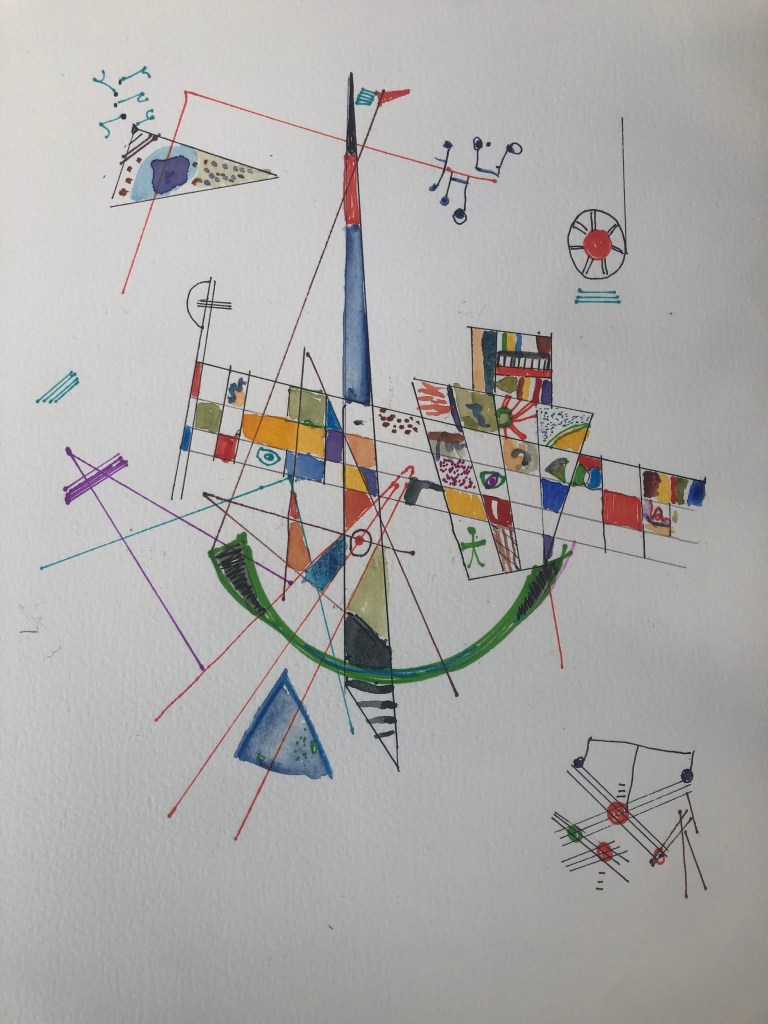
Kandinsky variation #1
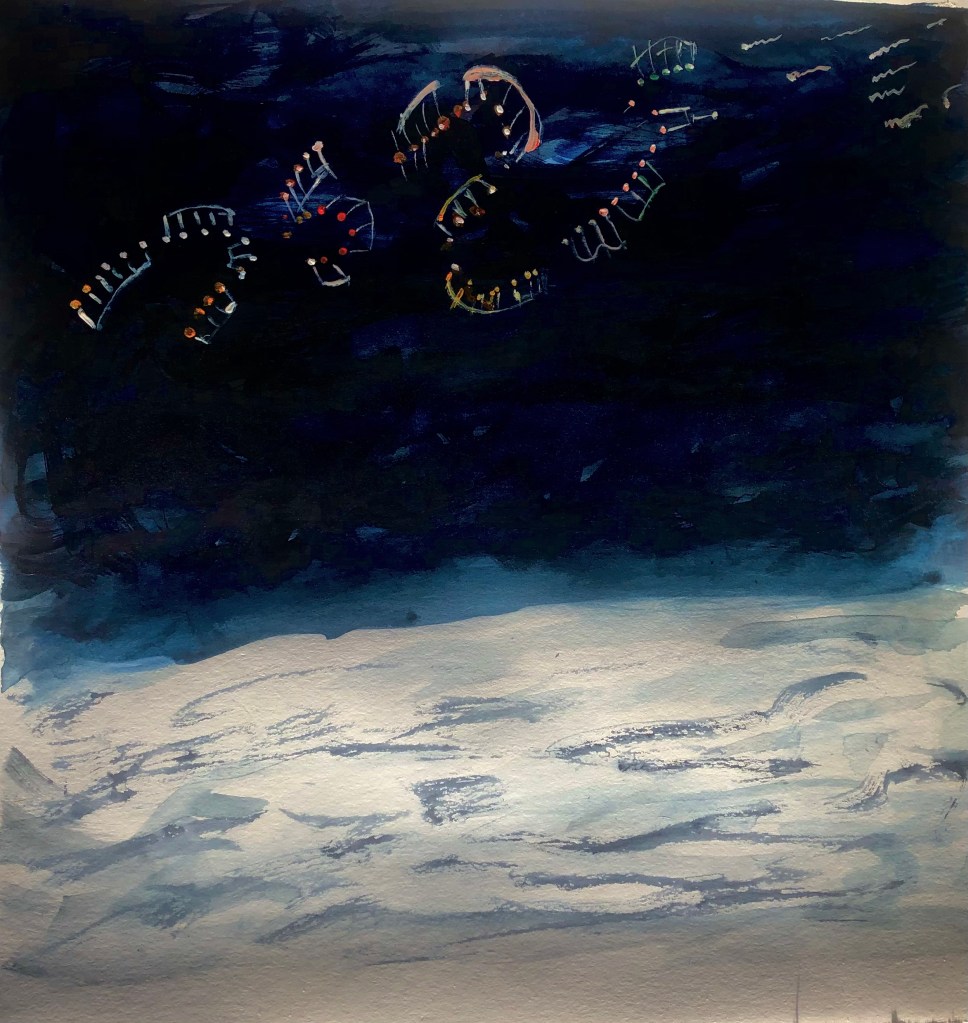
Happy Ghosts. ( for our ancestors) 16 x16. for all instruments. Must have percussion. oration, a bossa nova, like ” Corcavado” by Jobim meeting ” Ghosts” by Albert Ayler feel.
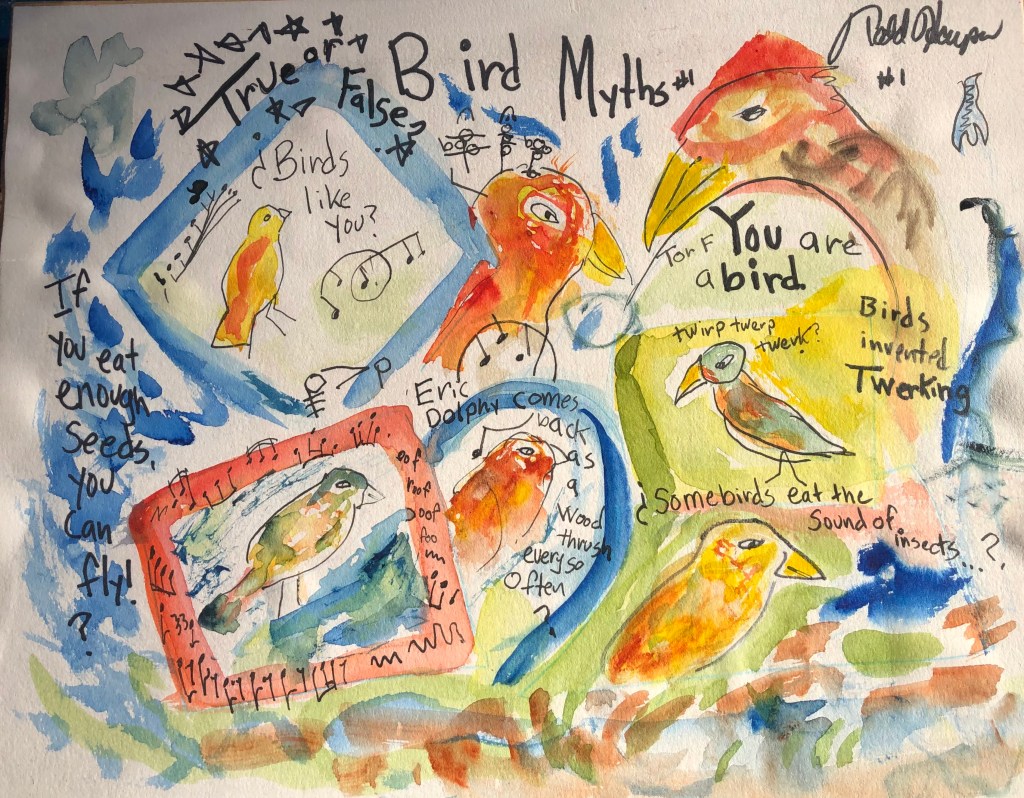
Bird Myth #1. 2021 For any instruments, and oration. Orator starts on the left, instrument/s respond. and so on.
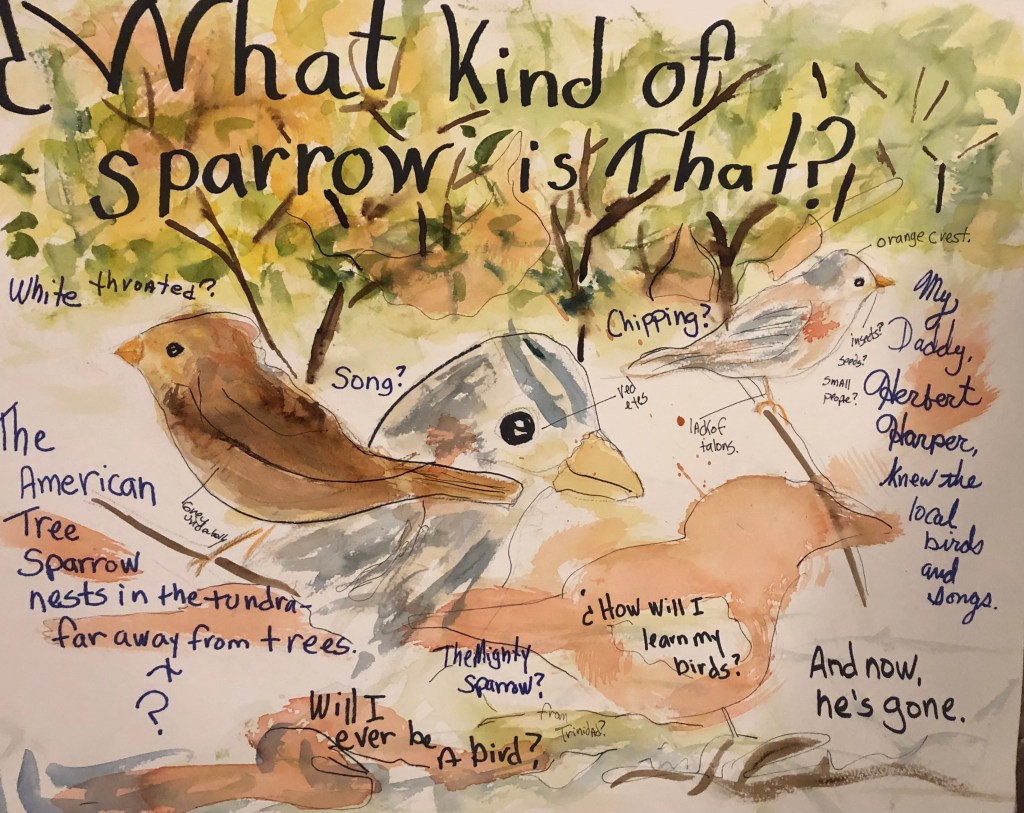
What kind of sparrow is that? an homage to my father the ecologist/ teacher. for violin and oration.
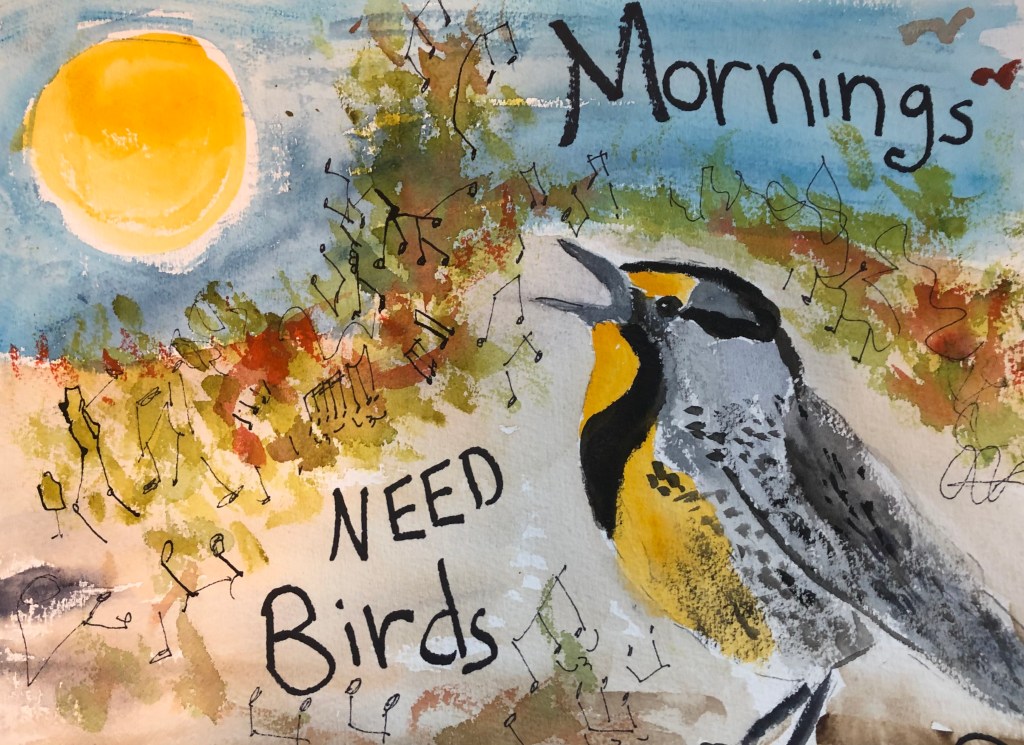
Mornings Need Birds
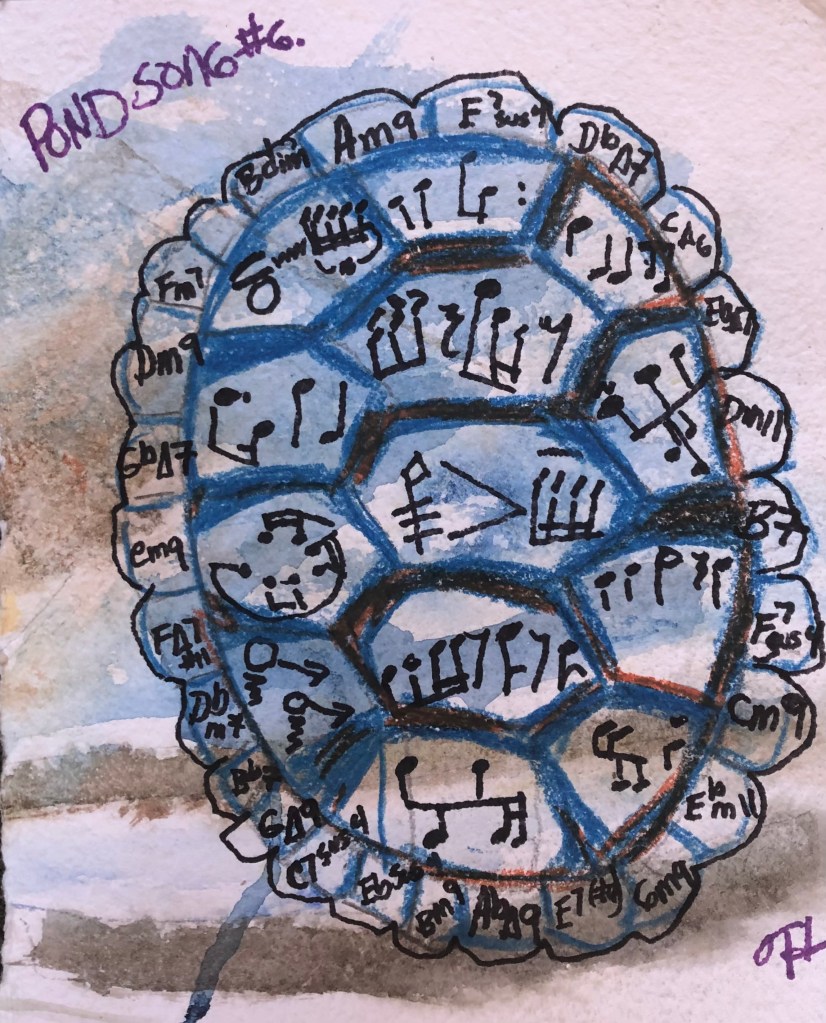
another turtle.
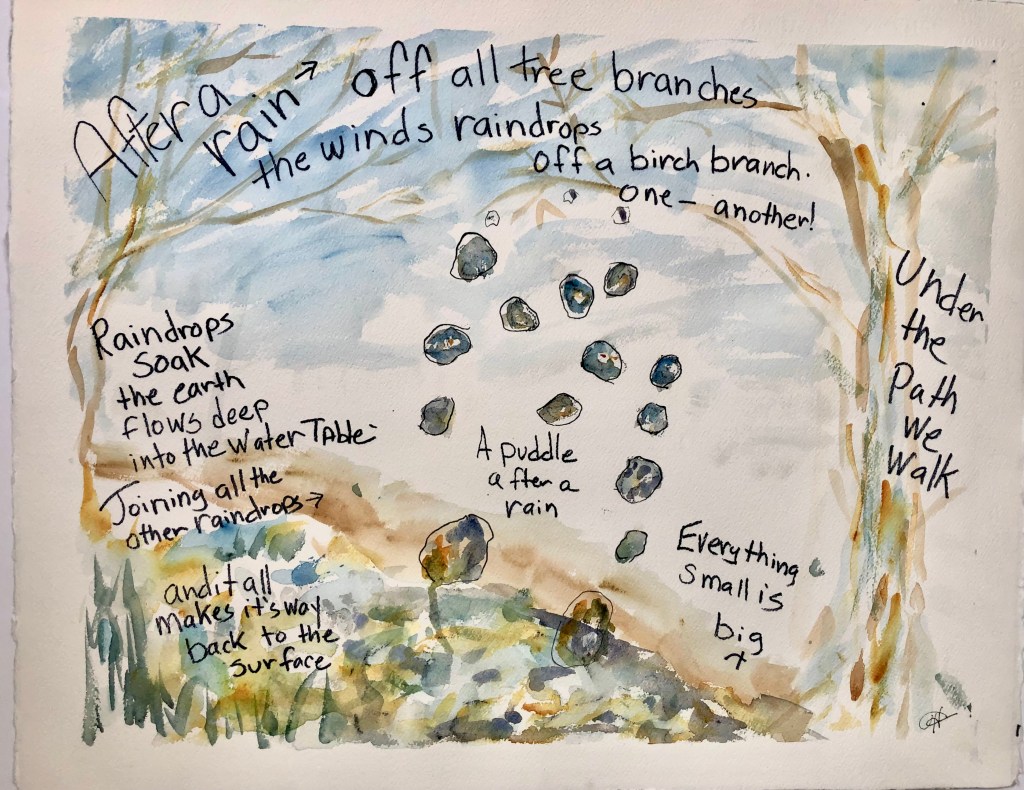
After a rain… for cello and oration
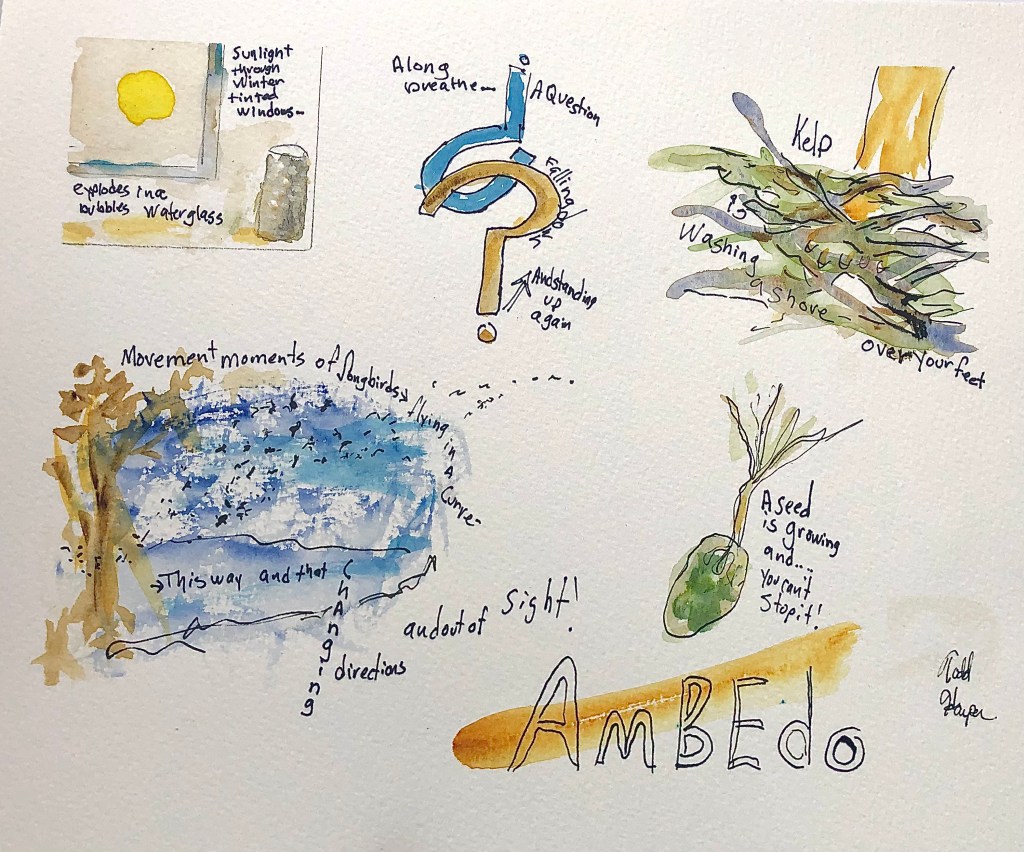
Ambedo: six musicians, divided into duets, trios, and then full ensemble. with oration
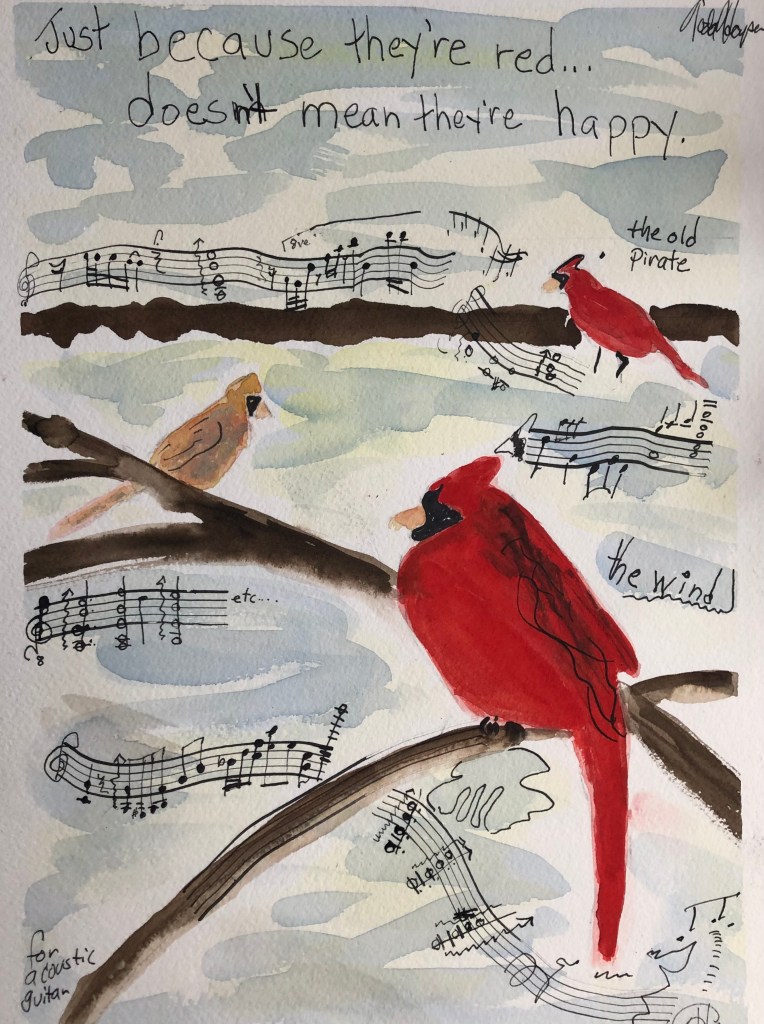
Just because they’re red…. for solo guitar
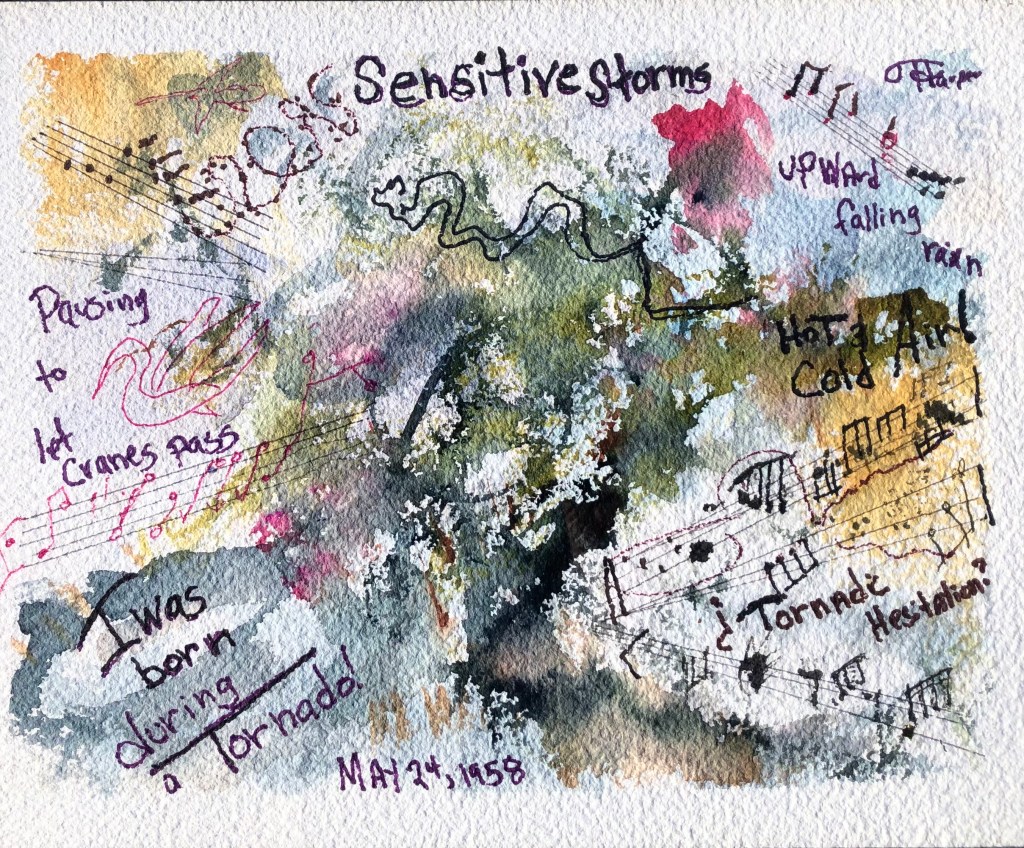
Sensitive Storms: for any instrumentation, as long as there is at least one percussion. This song commemorates my bithday, when there was a tornado.
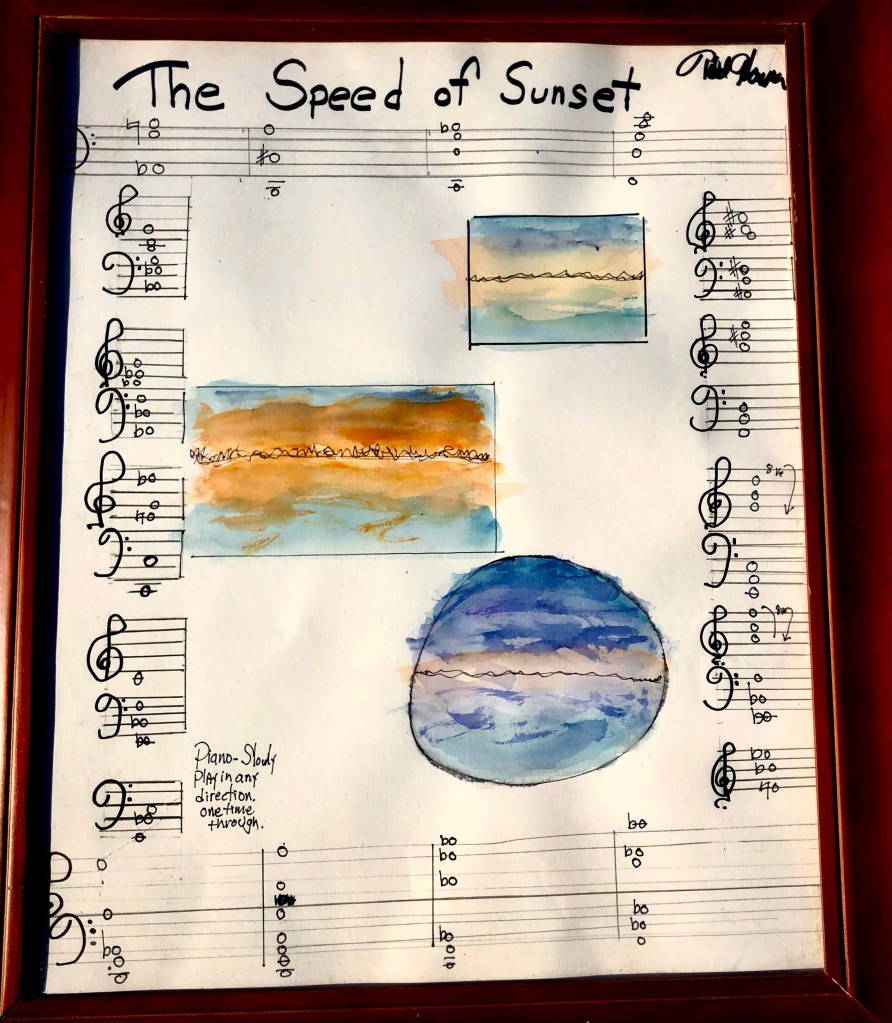
The speed of Sunset. For piano. start anywhere, and invent “connective musical tissue” to bridge the chords. This is a vehicle for pondering the “speed of time” as we age.
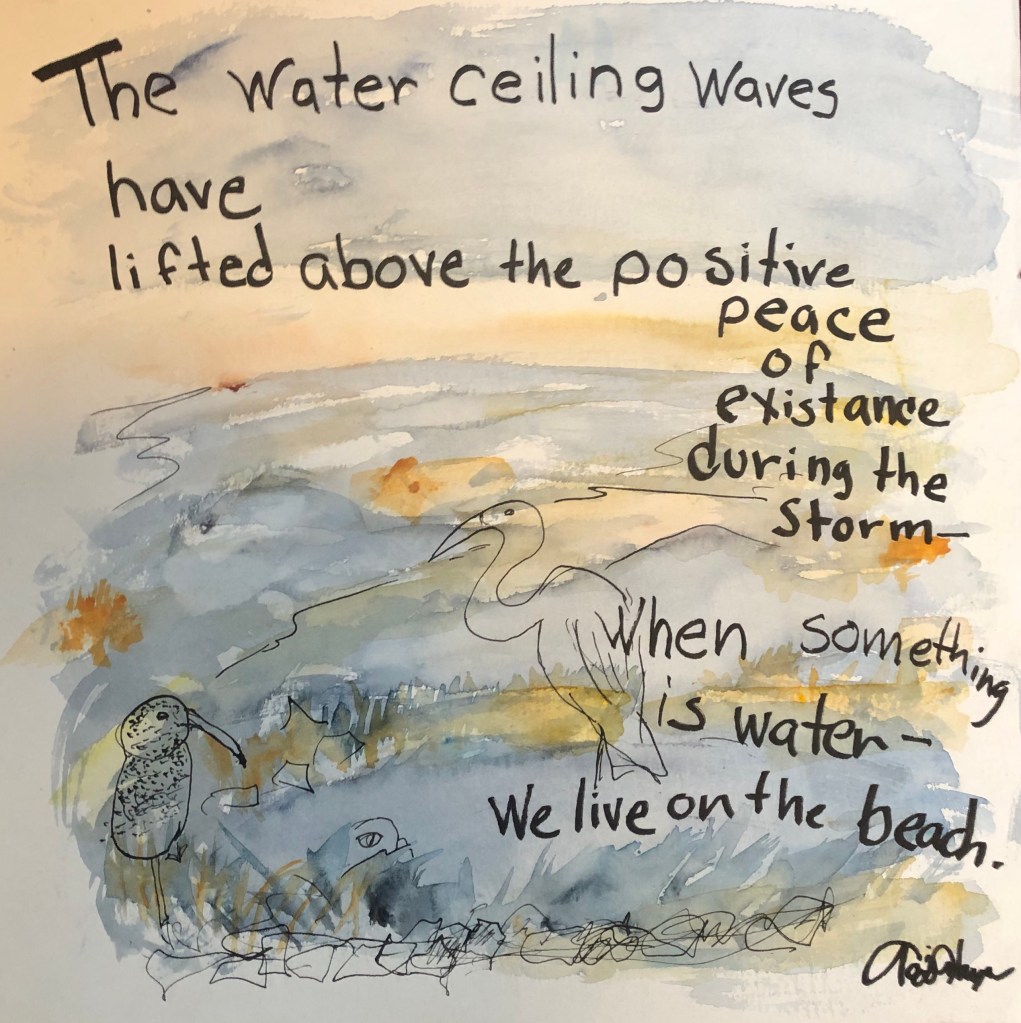
Water ceiling waves. For 2-5 musicians capable of dreamy interlocking textures, sliding into notes, taking time. Yes, an orator is important. The more instruments, the less they should play.
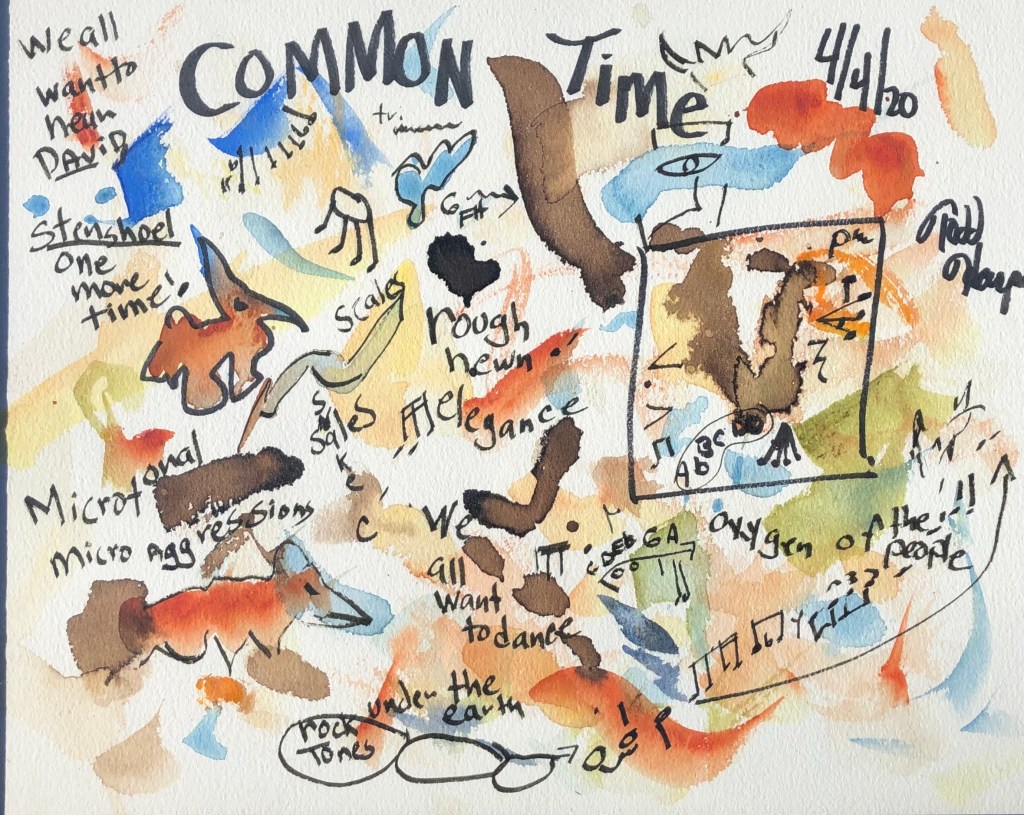
Dedicated to David Stenshoel, who made uncommon times common. violin and oration.
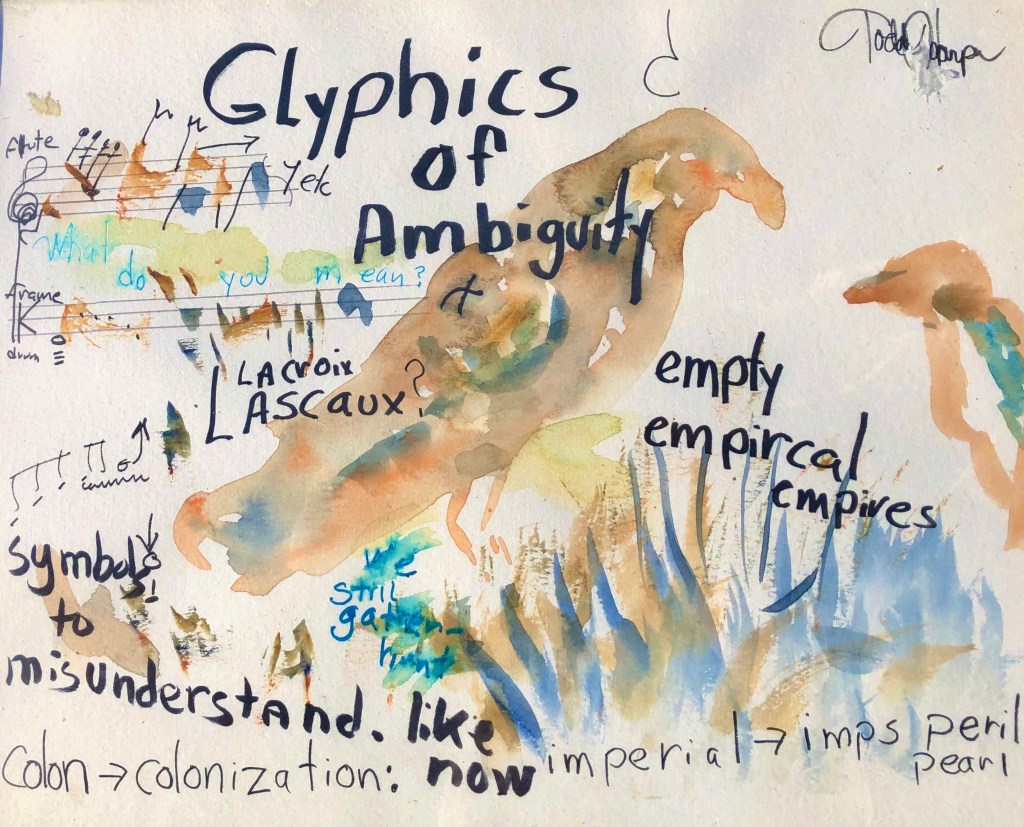
This is about our history, and the role of language in creating/maintaining confusion. What came first, the sound or the drawing? For a few instruments, and an orator with an opinion.
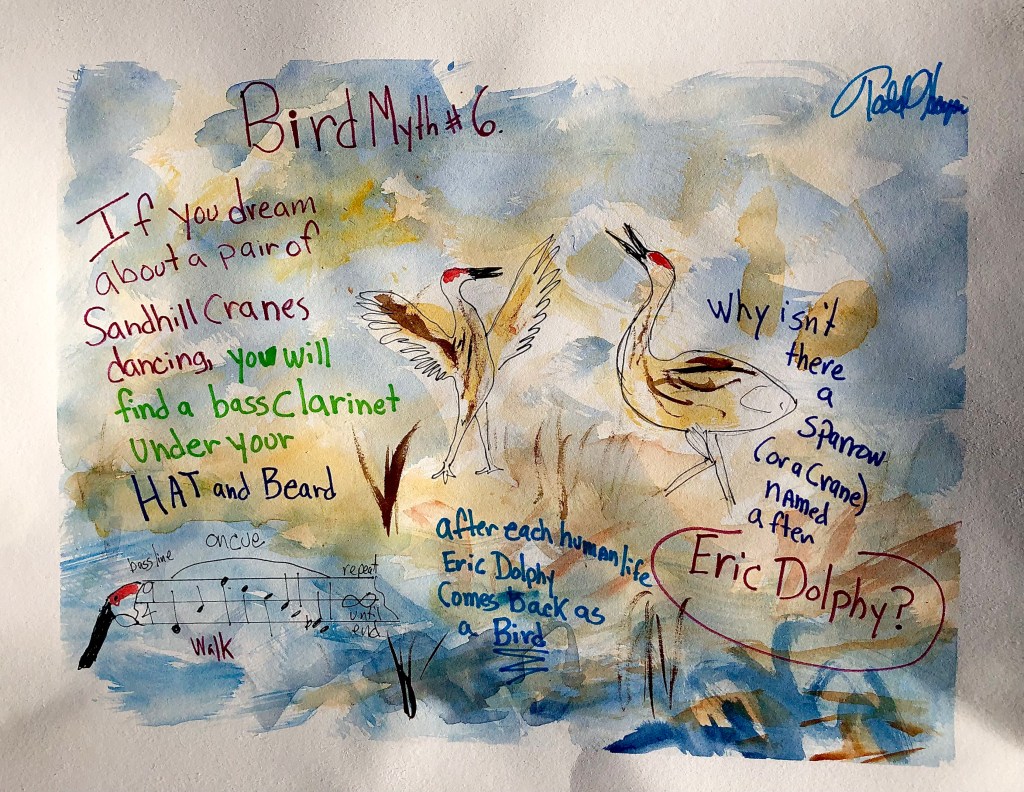
Bird Myth # 6. For a rhythm section, with at least one reed player playing flute, alto saxophone, or bass clarinet. And an orator. Refer to the ” Hat and Beard” ( Eric Dolphy) bass line/ change out pitches to keep it original.
For Four instruments.

large empty score
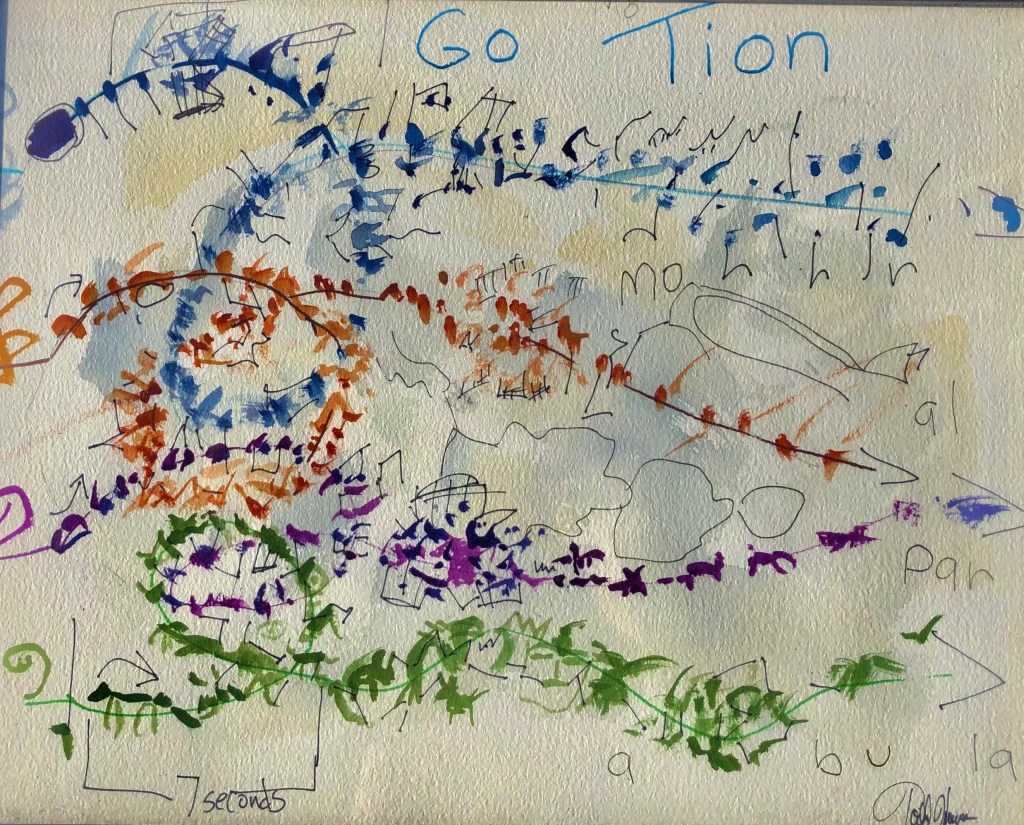
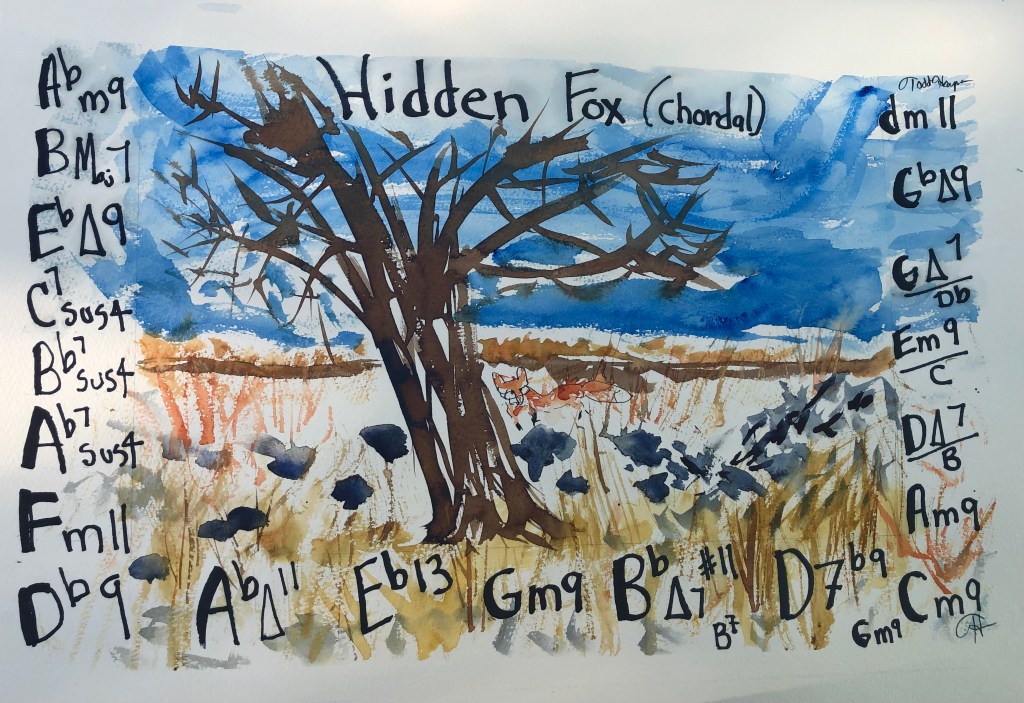
For solo string(cello, bass, viola, guitar) and oration. Start on the left side .. play any of the notes of the chords,… pizzicato, with the oration of a story about foxes. End by the dm11 on the right hand side. Less than 3-4 minutes long.
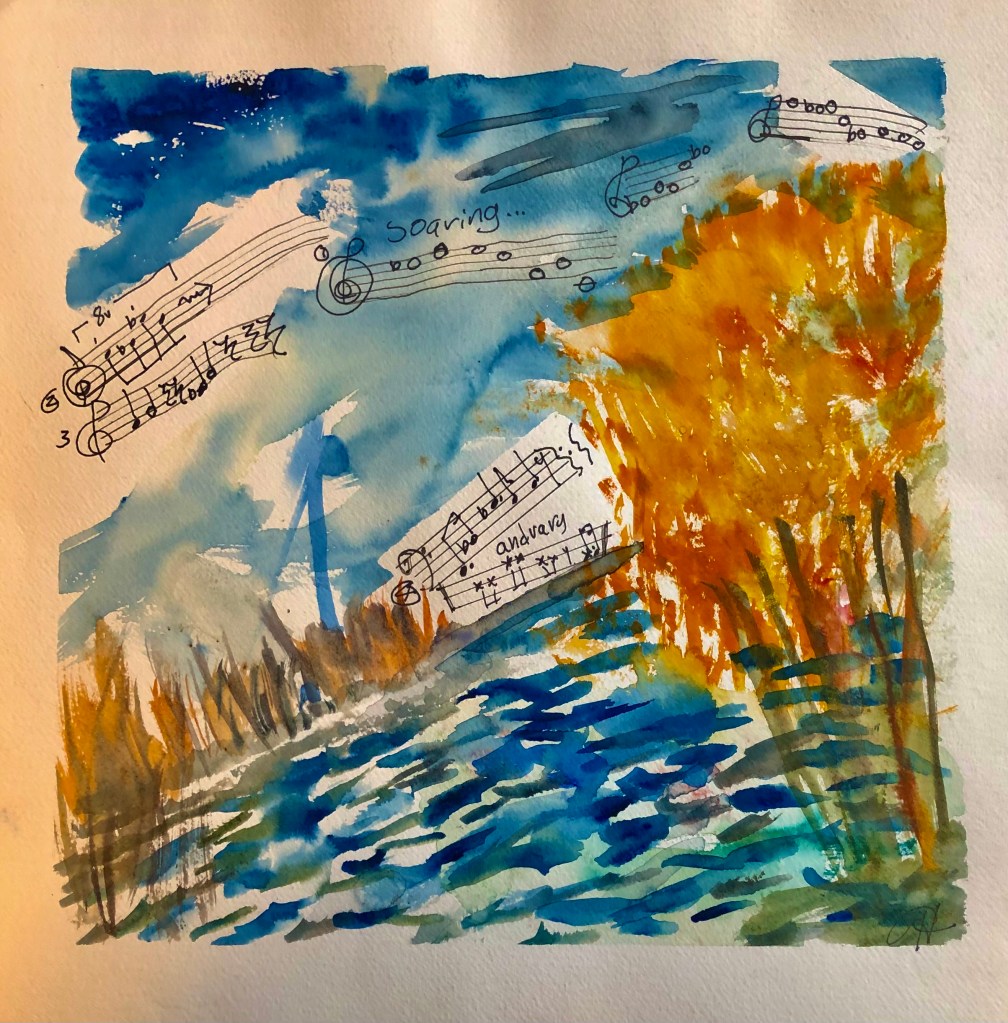
This marsh song has been performed once.
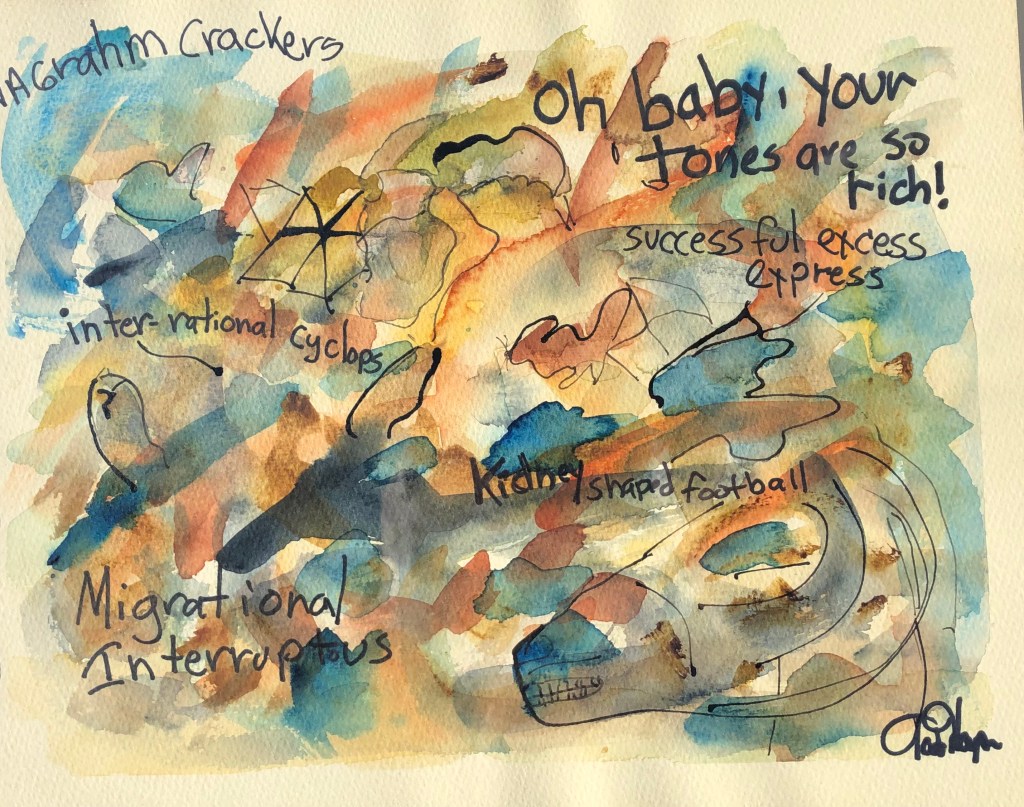
Anagram crackers is irreverent. Play with an orator, with combinations of abrasive spiky and smooth dark tones. Perhaps electric guitar and… trombone? clarinet?
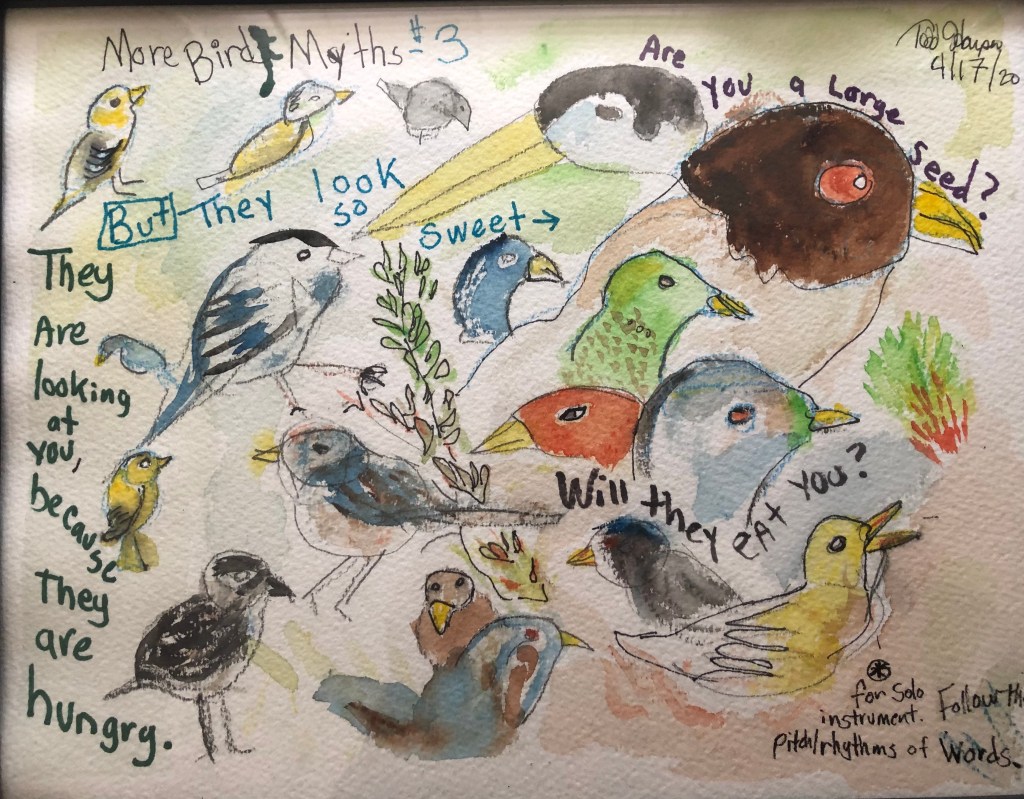
Bird Myths #3, Birds look so sweet. Don’t be fooled. a trio of musicians. such as: marimba,cello/guitar & bass flute/ clarinet. or variations. or piano, metal percussion, and trumpet. or….
How to play these visual/intuitive scores.
This music looks different than other notated music you have played. It is a score, but it is open-ended. Look at it differently, as if you were Darwin discovering a new finch !
While I have looked at other notational systems, some were compelling: others seemed dry and abstract. I came up with the idea of a score which was visually appealing, that gives performers some focus, but much freedom in interpretation.
I am giving you, the musician, (who has spent countless hours learning your instrument, your craft, developing a wide net of skills) permission to interpret the score however you want! Improvise. Invent.
Try some different approaches, go light, go deep, go sideways. Here are some aspects to consider. There may be more information that you can use. Take what you need, add the rest.
Words: you can be directed by the meaning, (to spark a reaction) and/or follow the rhythm of the words!
Color/shapes/line. The is an intuitive reaction . How do the colors/shapes affect you?
I often give a rhythmic pattern with no pitches. Choose pitches you want. Perhaps only use four or five pitches. I may include some directions suited to your instrument.
If you are playing these with others, I would strongly suggest that you try it out first- discuss and refine slightly. If the combo is emotionally in-tune with each other, perhaps it is best to have minimal rehearsal, to keep it fresh.
Each ensemble will approach the compositions different ways… think of it as a ‘Musical Rorschach’ that reflects how you, your friends are at this moment in the time/space continuum.
I have tried these scores out with a few dozen performers in the past 4 years. The same scores have been interpreted very differently, and yet they all worked!
I want to hear what you come up with. I would love a recording, even a fragment. Could be from a cell phone, or other recording device.
If you are stuck, or have questions, feel free to contact me: todd@troutsongs.com.
Please enjoy!
Todd Harper
 Todd Harper